International Cadet
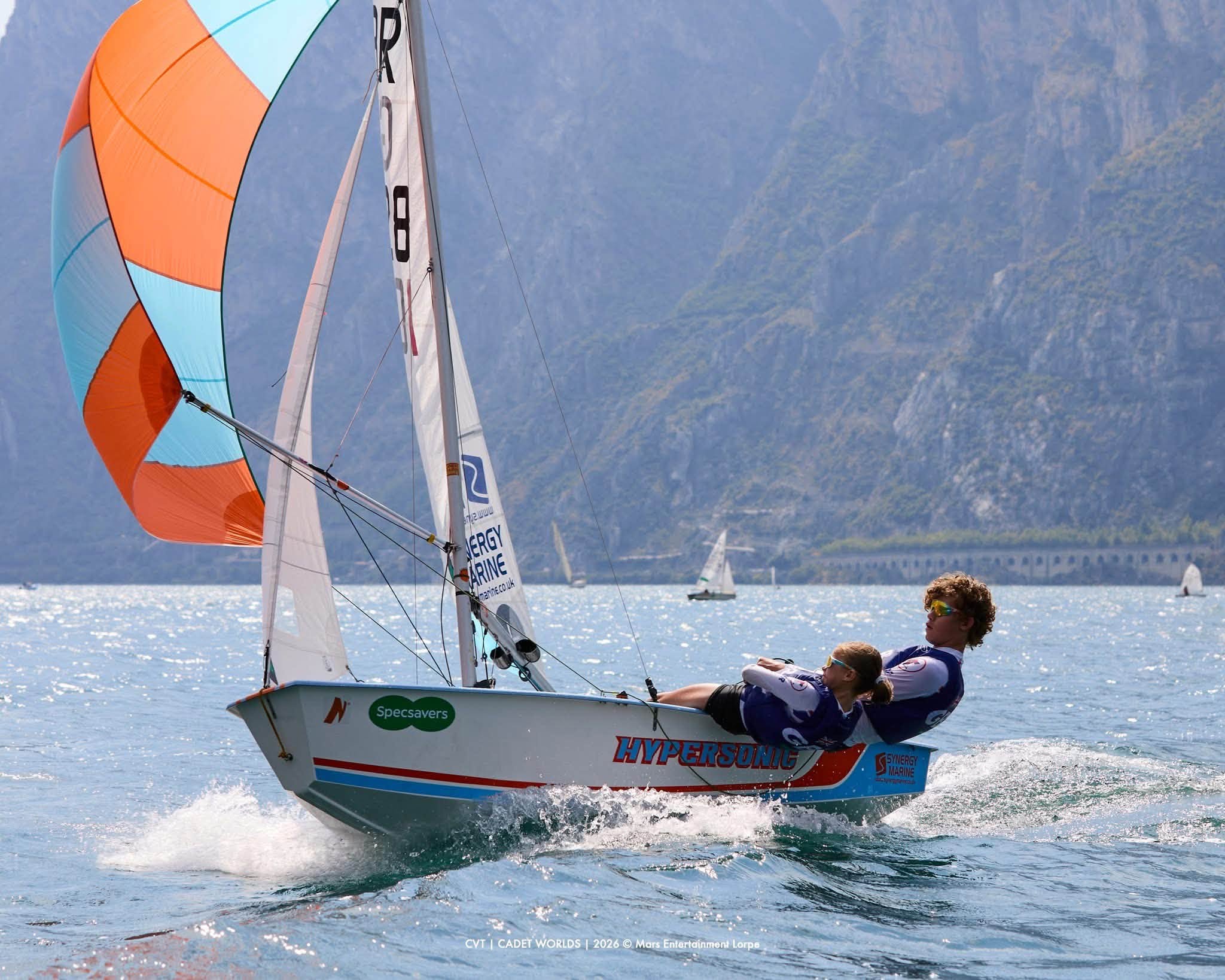
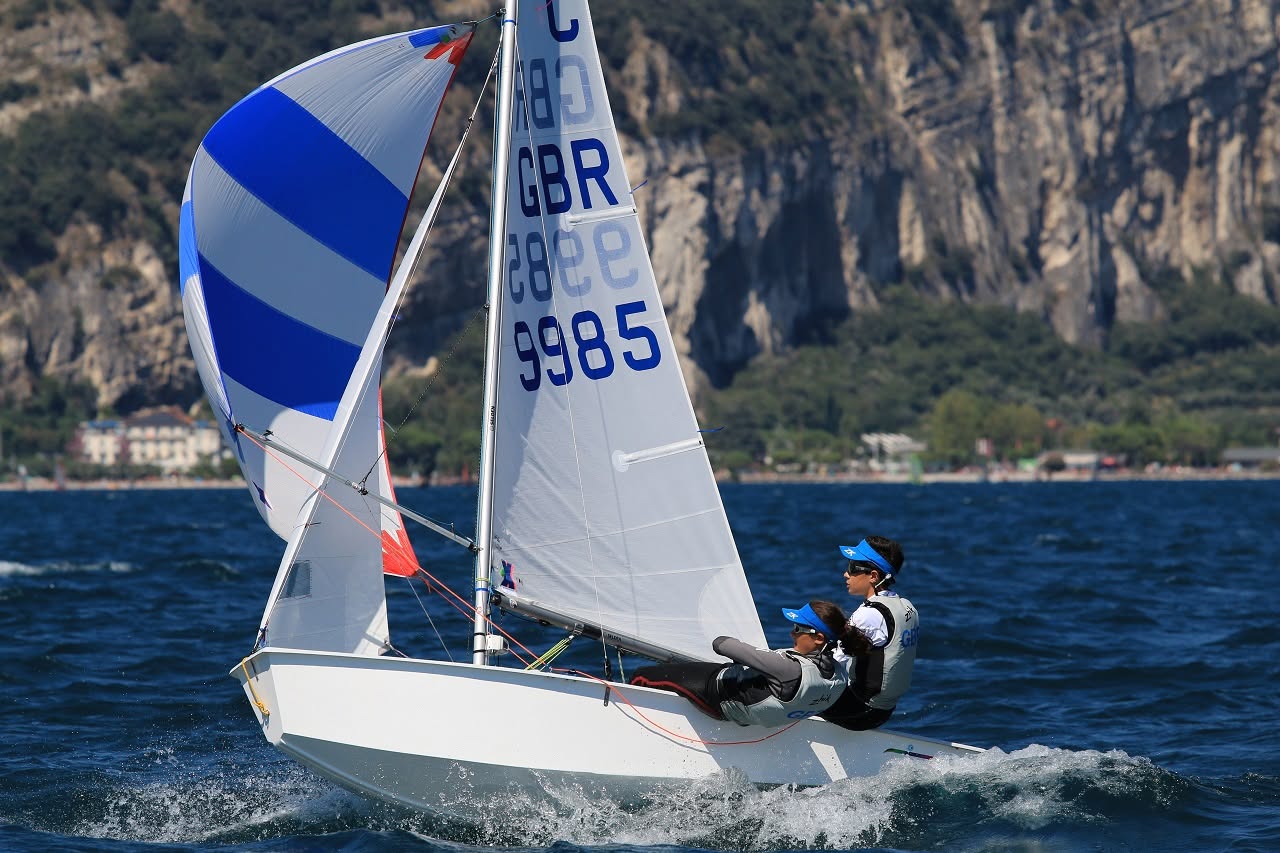
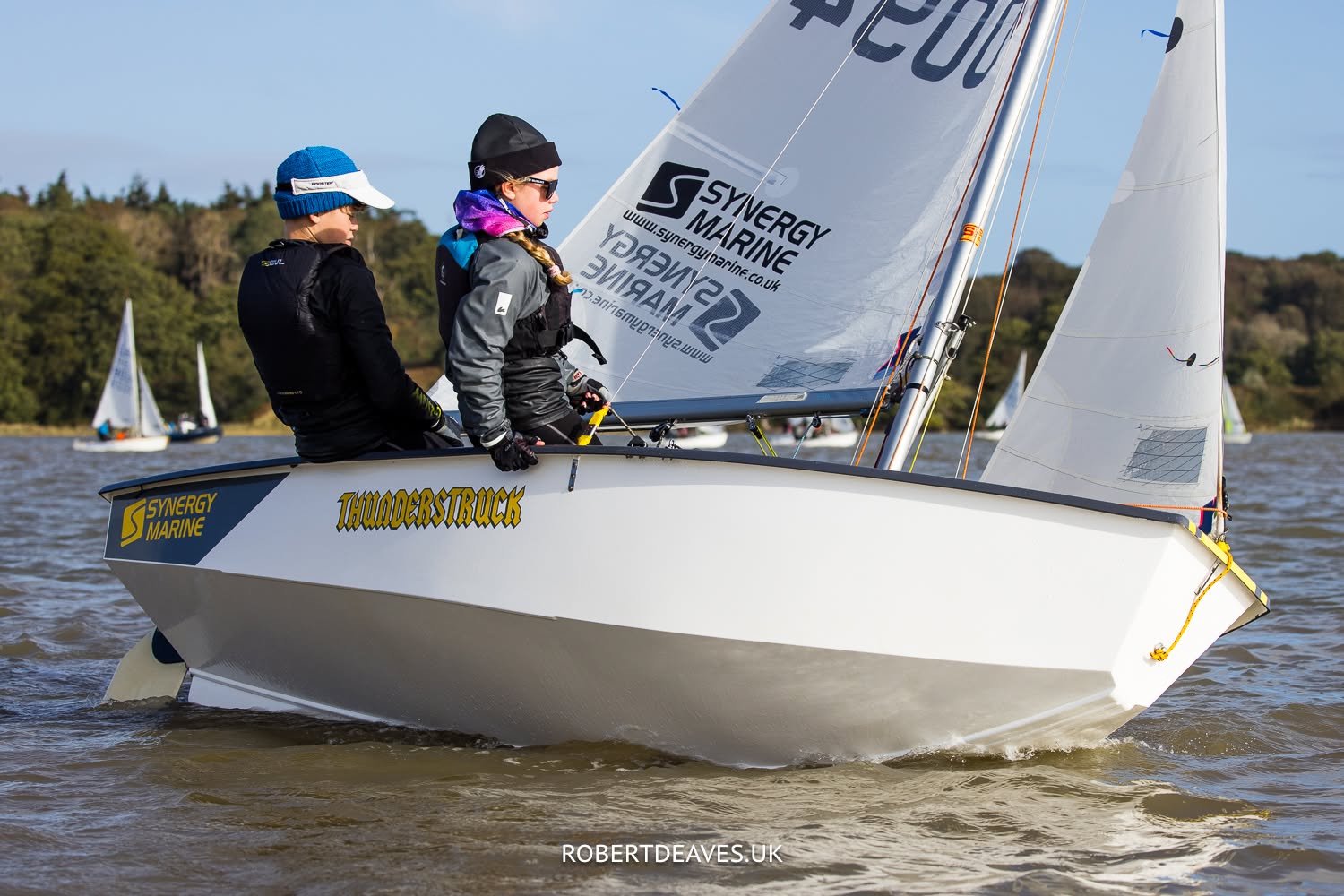
The first Synergy Marine Mk4 International Cadet hit the water at the end of 2014 and turned heads with its design details and quality of construction. The Cadet gives young sailors three sails to manage as a team, with the helm and crew working together to balance the boat and handle the spinnaker.
Construction
We build the hull and deck with a PVC foam core and woven E-glass cloth throughout. Under vacuum, polyester resin is drawn through the glass fibres, consolidating the laminate. Infusion lets us control how much resin is needed to wet out the fibres and foam core, producing a light, stiff and strong structure. It also reduces waste, gives us a cleaner working environment and helps us build consistently from one boat to the next.
Hull shape
We modelled the hull in CAD, drawing on previous World and National Championship-winning Cadet designs. The aim was an all-round hull that could perform in a wide range of conditions.
Shroud attachments
We use shroud plates fitted directly to the hull to spread rig loads through the hull structure and reduce the strain on the hull-to-deck joint, where repeated flexing can lead to cracks. A strong bow fitting also helps the boat hold rig tension through a full day of sailing.
Buoyancy hatches
Leaking hatches are a common cause of failed buoyancy tests and can let the boat take on water. We moved the forward tank hatches higher, into the spinnaker bag recesses, so they are less likely to sit below the waterline after a capsize. The new access also lets us through-bolt fittings on the foredeck and bulkhead.
Grab rails
The grab rails are moulded into the deck. This gives a neater finish and removes a separate joint where water could get in.
Centreboard case
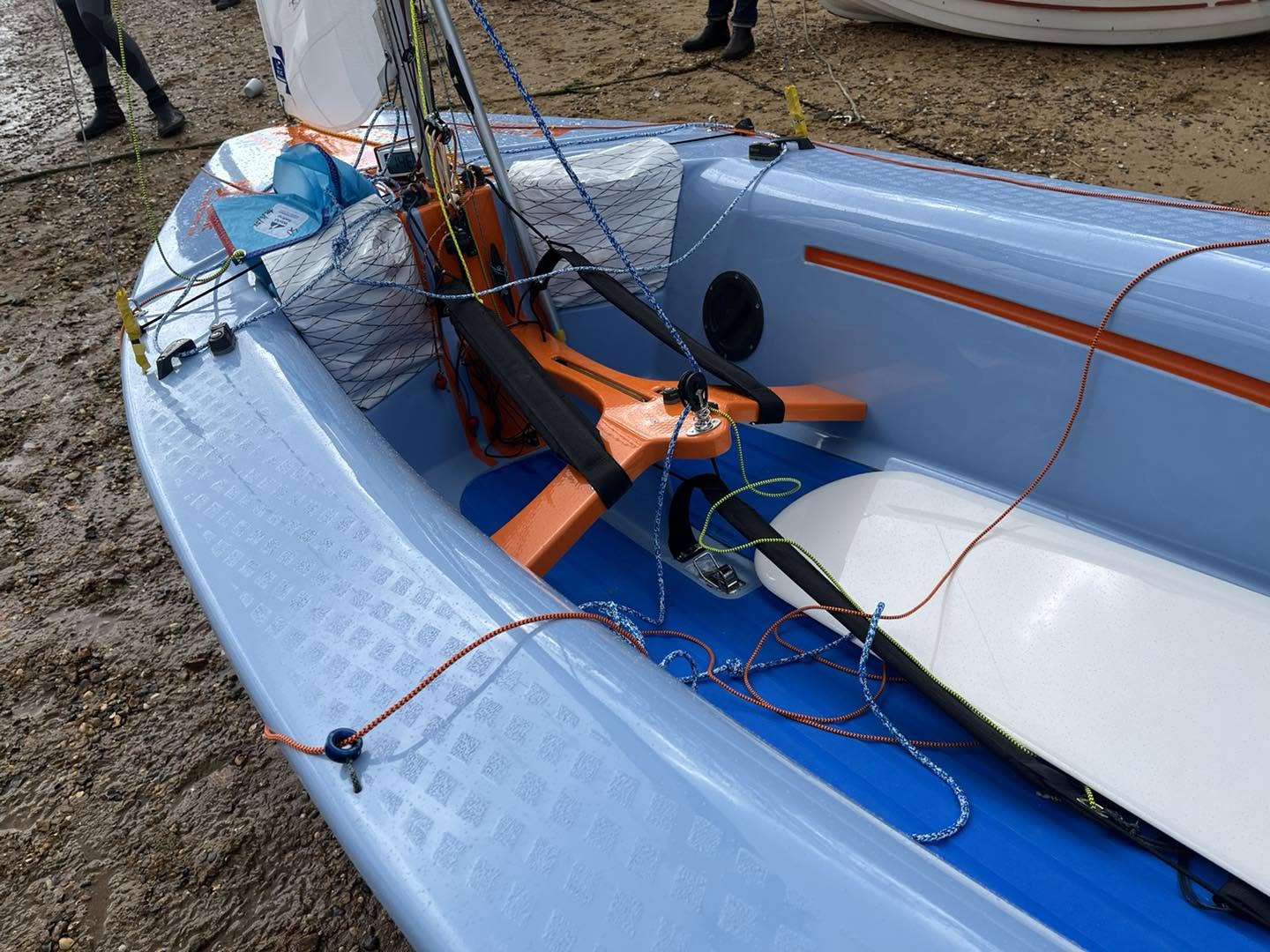
The centreboard case capping slopes down at the thwart to give the crew more room. In light airs they can get their weight lower, and in a breeze they can move aft more easily.
The spinnaker halyard runs through the centreboard case, placing its cleat within easy reach.
Toe straps
The crew’s toe straps are in the traditional position and have built-in cleats for adjustment. The helm’s main anchor point is further forward for a steadier hiking position, which helps reduce the effort of holding position in wind and waves. A short strap at the back gives the helm extra purchase on windy downwind legs.
Side decks
The moulded non-slip gives the crew traction without being harsh on sailing clothing. The grip is part of the deck finish, so there’s no need to add stick-on grip pads.
Colour choice
Choose colours for the deck, centreboard case capping, grab rails and floor, with optional deck graphics and topside vinyl. The hull is finished in white gelcoat as standard. Applying colour in vinyl makes it easier to restore a clean finish after a bow repair or change the colour for the boat’s next owner.
We also provide Cadet maintenance and repairs from our Waldringfield workshop.
Your next raceboat
Design & price your Cadet
Try your colour scheme, choose your equipment and see your price.
Open the configuratorCadet sailing and fit-out