
Cadets: looking beyond the reputation
A light-hearted look at Cadet reputations, the continuing appeal of wooden boats and why modern composite construction deserves a fresh look.
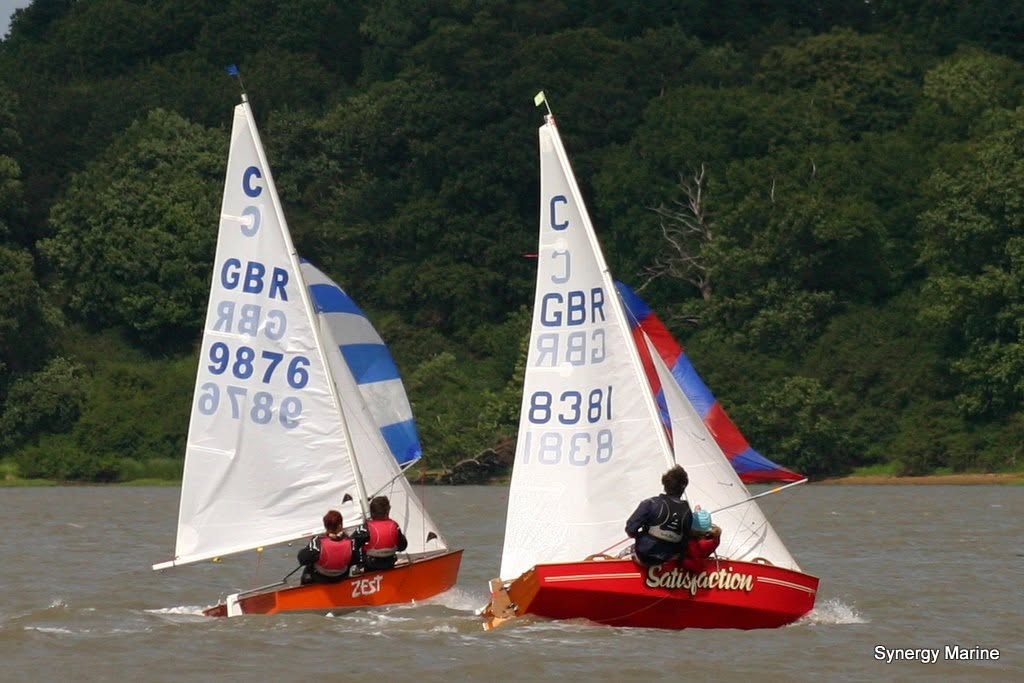
Spend a little time around a Cadet dinghy park and you’ll soon hear about the boats.
Someone knows a particularly quick one. Someone else remembers who won what in it. Certain sail numbers are spoken about with the sort of affection usually reserved for family pets.
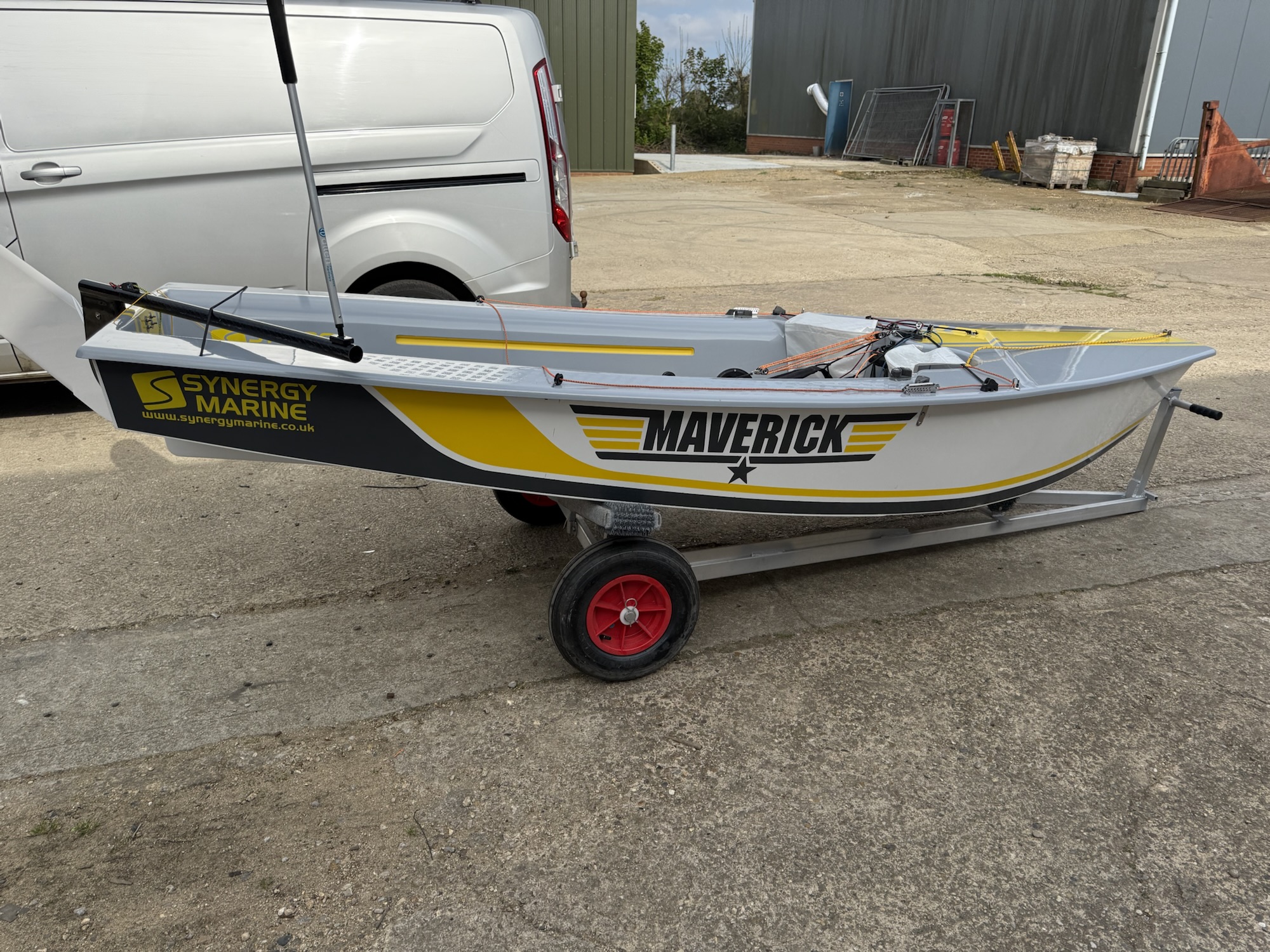
Then there are the “Magic Seven”. There must be about thirty of those by now. Everyone seems to have one.
For parents arriving in the class, especially those who haven’t sailed, it can be quite an education. You came looking for a boat for the children and have somehow joined an investigation into the whereabouts of several unusually gifted pieces of plywood.
The affection is understandable. Wooden Cadets have introduced generations of children to sailing, and they remain a great way into the class. Find a sound one, get it set up properly and there is an enormous amount of fun to be had.
There is still plenty of pace in them too. Anyone expecting a well-sailed wooden Cadet to politely make way for a newer boat may be waiting some time.
The best examples, including the sought-after Rowsells, earned their reputations. In the 1990s, they were very much the boats to have. Good boats, good sailors and good results created stories that have followed them from one family to the next.
For a family starting out, that combination of affordability, advice from other owners and a boat with plenty still to offer can make excellent sense.
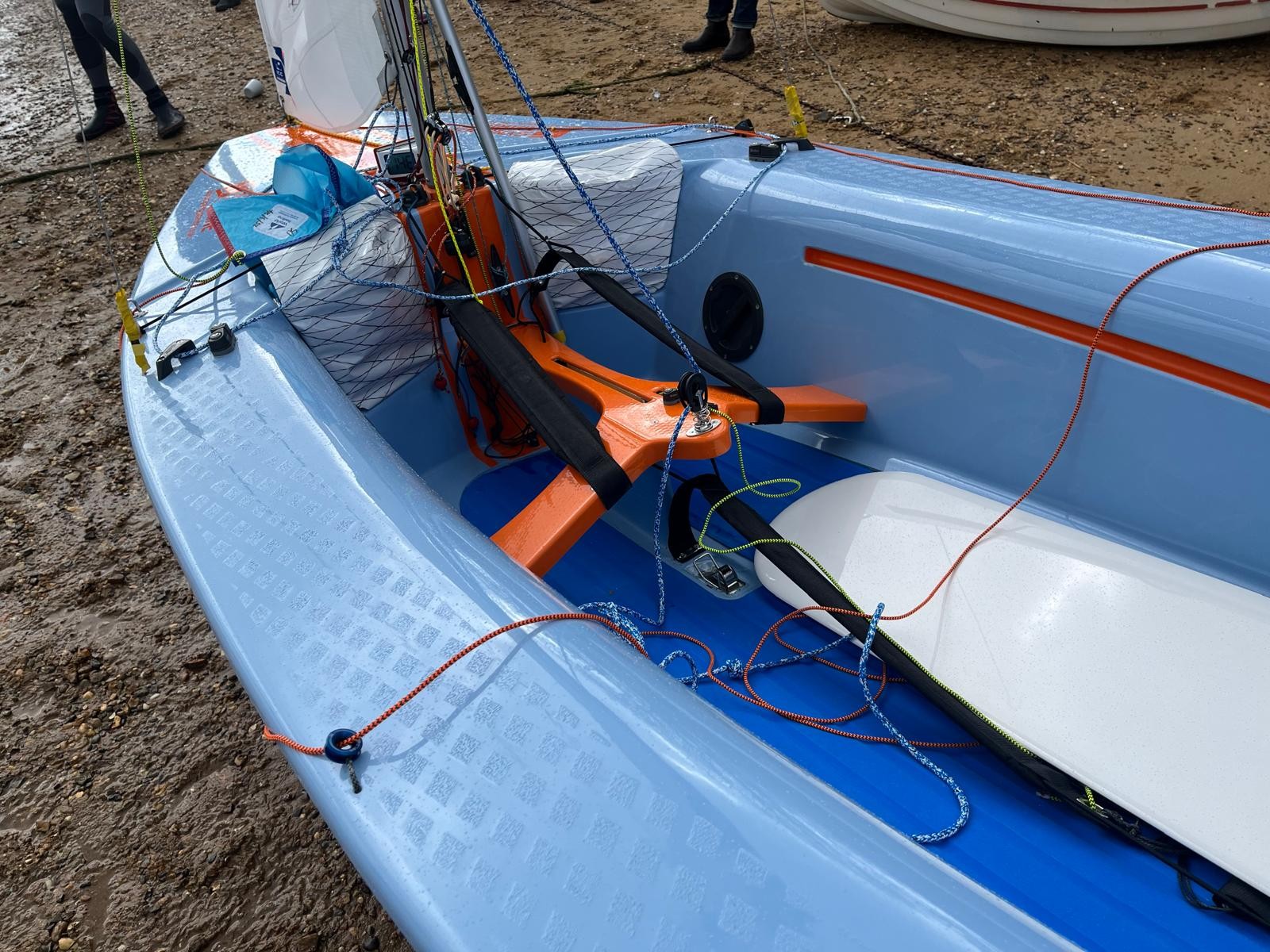
The important bit is knowing what you are buying.
A wooden Cadet that was exceptional in 1995 is now more than thirty years older. Some have been beautifully maintained. Others have had a more eventful existence, with repairs beneath repairs and paint doing a very diplomatic job of keeping up appearances.
A famous sail number cannot tell you the condition of the plywood. Neither can a smart finish.
Even a Magic Seven needs sound timber. All thirty of them.
That is where the drawbacks of an older wooden boat become relevant. Varnish and paint need attention. Joints and plywood need checking. A modest winter tidy-up can occasionally develop ambitions of its own.
You start with a little patch near a fitting and finish wondering whether the boat will be ready for Easter.
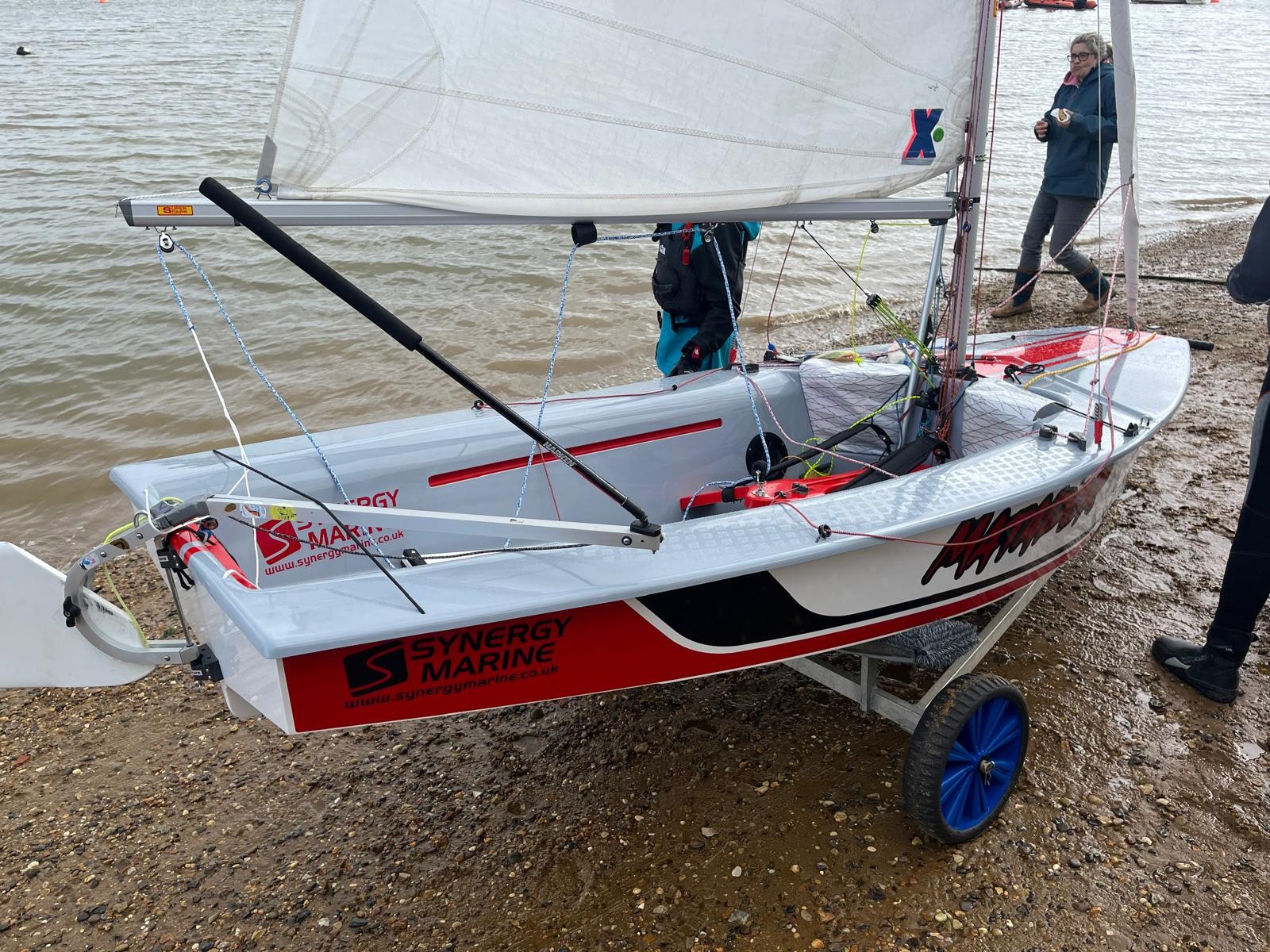
For owners who enjoy working on wooden boats, that can be part of the pleasure. For a parent with neither the experience nor the space, it can be a rather unexpected addition to the sailing calendar.
None of this takes away from what those boats offer. It simply makes condition and maintenance important parts of the decision.
The same sort of closer look is overdue for the boats collectively described as “plastic Cadets”.
Some of the early GRP boats from the 1990s and 2000s acquired a reputation for disappointing build quality and pace. Alongside the success of the wooden boats, that helped establish a lasting piece of dinghy-park advice: find a good wooden one.
At the time, that advice had a context. Over the years, the context has rather fallen away, leaving “wood is faster than plastic” to circulate on its own.
Meanwhile, construction has moved on.
A modern Synergy Cadet uses woven E-glass reinforcement, a PVC foam core and polyester infusion resin, brought together through vacuum infusion. That is a different construction system from the earlier chopped-strand and Coremat boats that helped shape people’s opinions.

It is also quite enough technical vocabulary to test the goodwill of anyone who came here hoping to read about sailing.
The useful point is that the glass skins and foam core form a sandwich structure designed to provide stiffness at low weight. Resin is drawn through the reinforcement under vacuum, helping control how it is distributed and how much is used.
Those details are fundamental to the boat’s structure. Describing all these boats as “plastic” skips over them entirely.
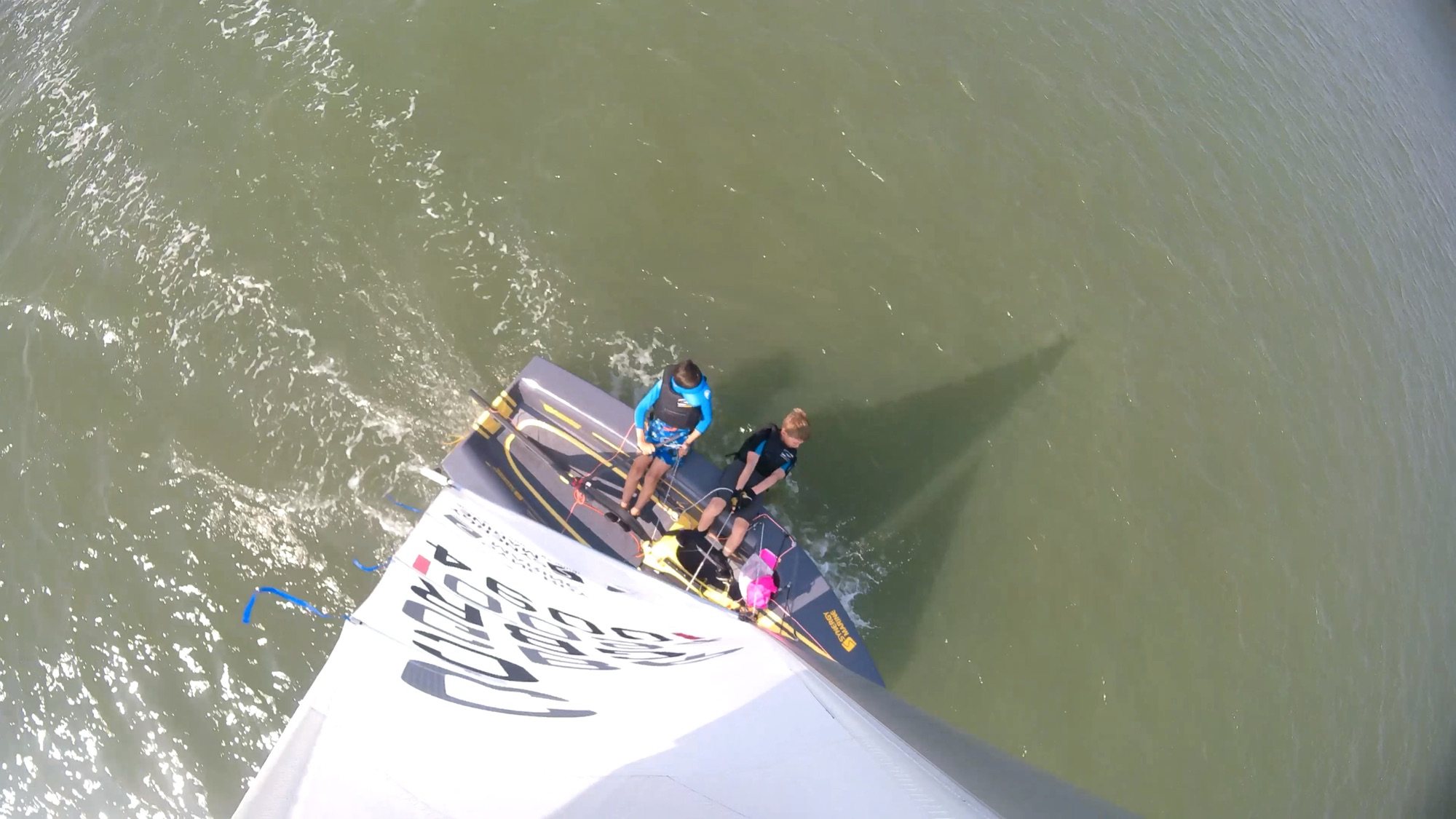
A Synergy deserves to be assessed on its own construction and condition. An older GRP boat’s reputation tells you very little about it.
There is a curious imbalance in the way these stories work. A wooden boat can carry its finest racing result around for thirty years. A new composite boat can find itself answering for something built decades earlier by somebody else.
Neither is particularly useful to the family standing in the dinghy park, trying to make a sensible choice.
For them, the questions are more practical. Is the boat sound? Is it suitable for the children? What work will it need? Who is going to do it? What will ownership cost by the time it moves on to its next crew?
A sound wooden Cadet can answer those questions very well, particularly as a first boat. One facing substantial plywood repairs and a full refinish is a different proposition, however distinguished its history.
A newer composite boat needs care too. Fittings wear, knocks happen and damage needs proper repair. Its structure does, however, remove deteriorating plywood from the list of things an owner may have to tackle.

That matters when comparing the cost of keeping an existing boat with the cost of changing it. Purchase price, repairs, maintenance and realistic resale value all belong in the calculation. So does time, even when it is supplied free by a parent with a sanding block.
And then there are the children.
They are generally interested in whether their friend can crew, when they can go sailing and what they are going to call the boat. Given a good boat and a welcoming fleet, they can make wonderful memories in wood or composite.
As the Cadet approaches its eightieth anniversary, that feels like something worth keeping in view.
The wooden boats remain an important and enjoyable route into the class. Their history deserves its place in the conversation, alongside an honest look at their condition.
Today’s boats deserve the same curiosity. Look at how they are built, see them sailing and judge what they offer now.
After all, every much-loved old Cadet started life as somebody’s shiny new boat.